CLUB OF ROME SALON: Building the City of the Future

Building the City of the Future:
Cities, World Expos, and Stakeholders Driving Sustainability
A Collaboration between Arts & Nature Social Club & Club of Rome Germany
Tuesday, 9 December 2025
Data Space Berlin
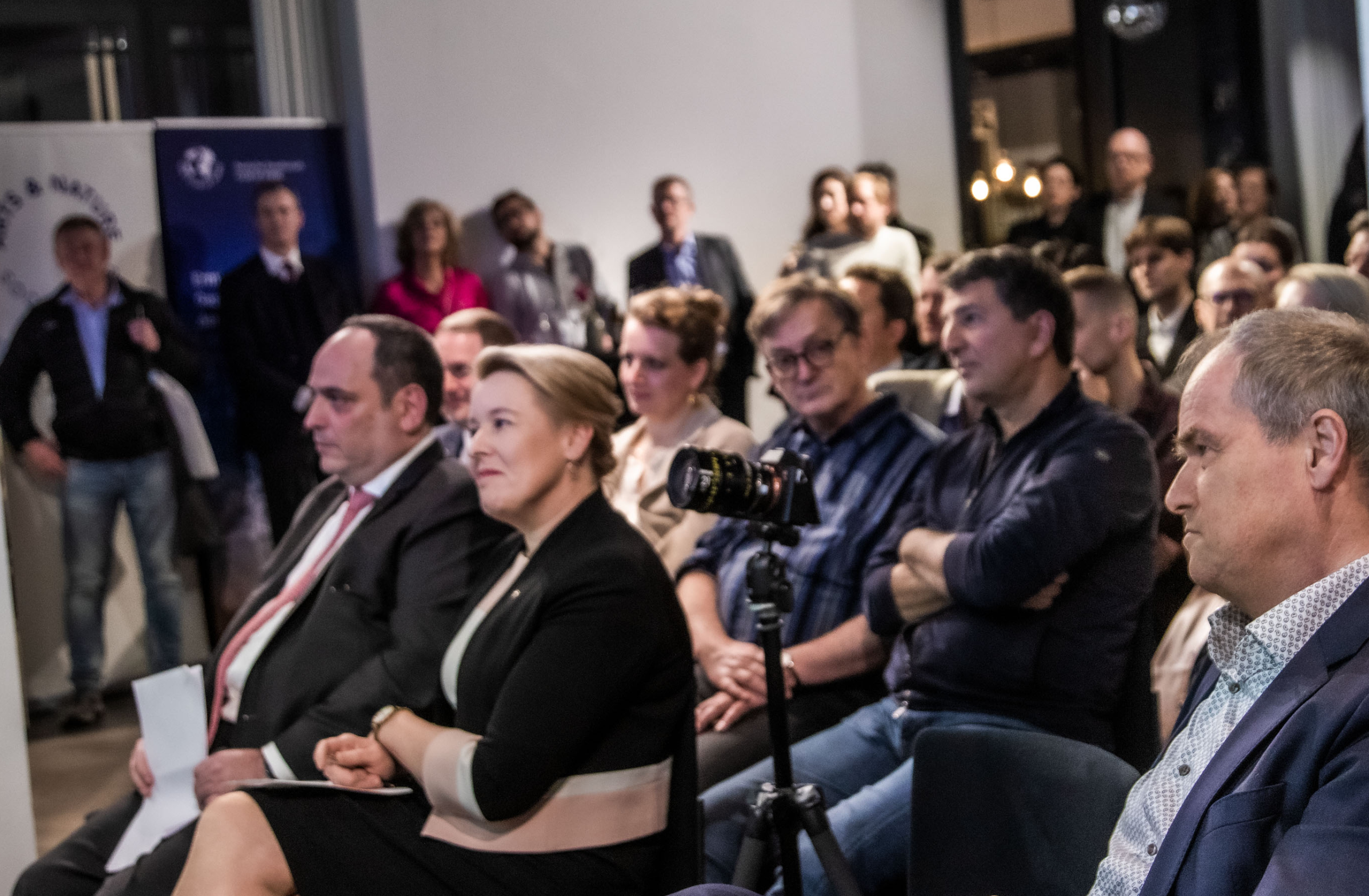
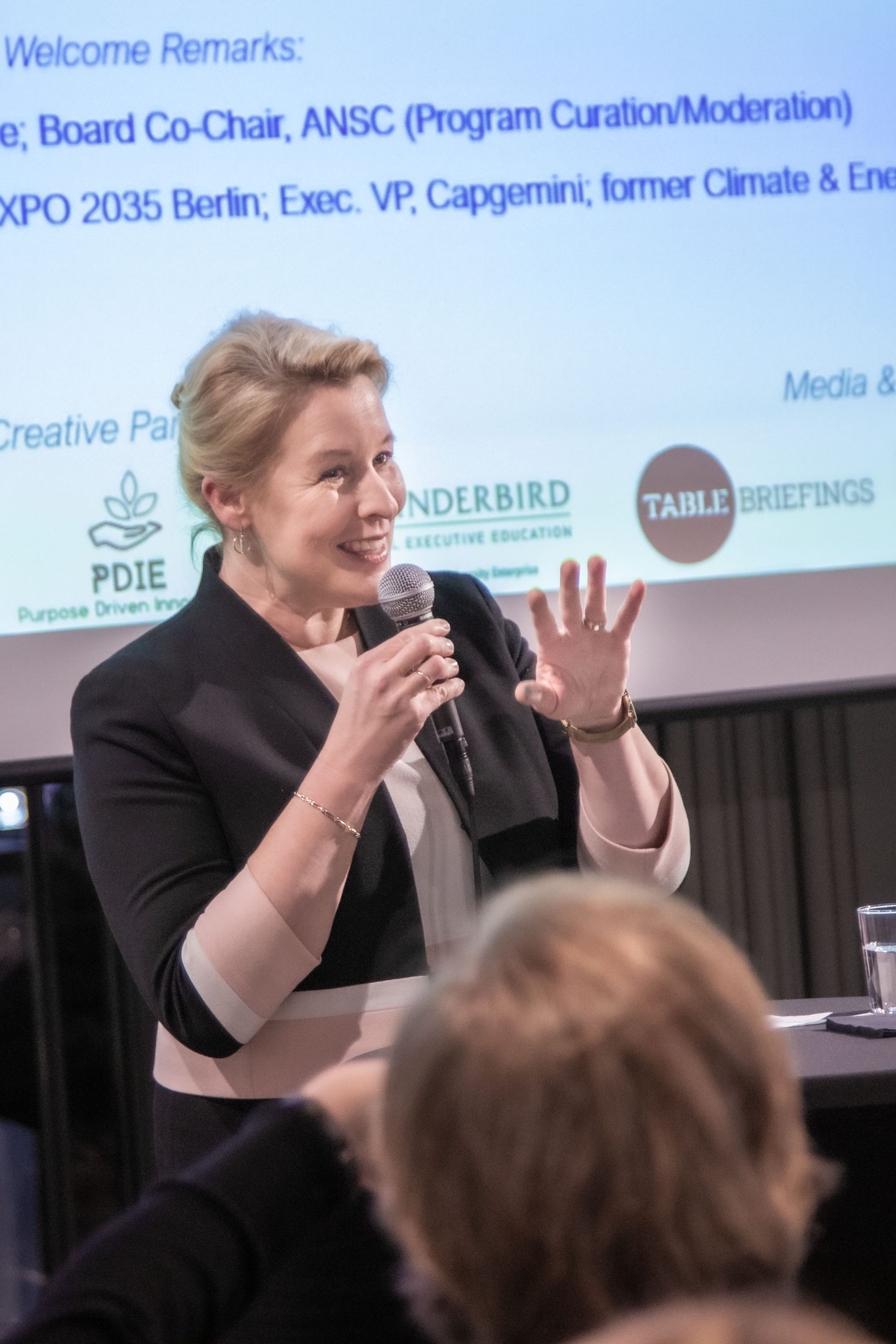
- Franziska Giffey, Deputy Governing Mayor and Berlin State Senator for Economy, Energy & Enterprise
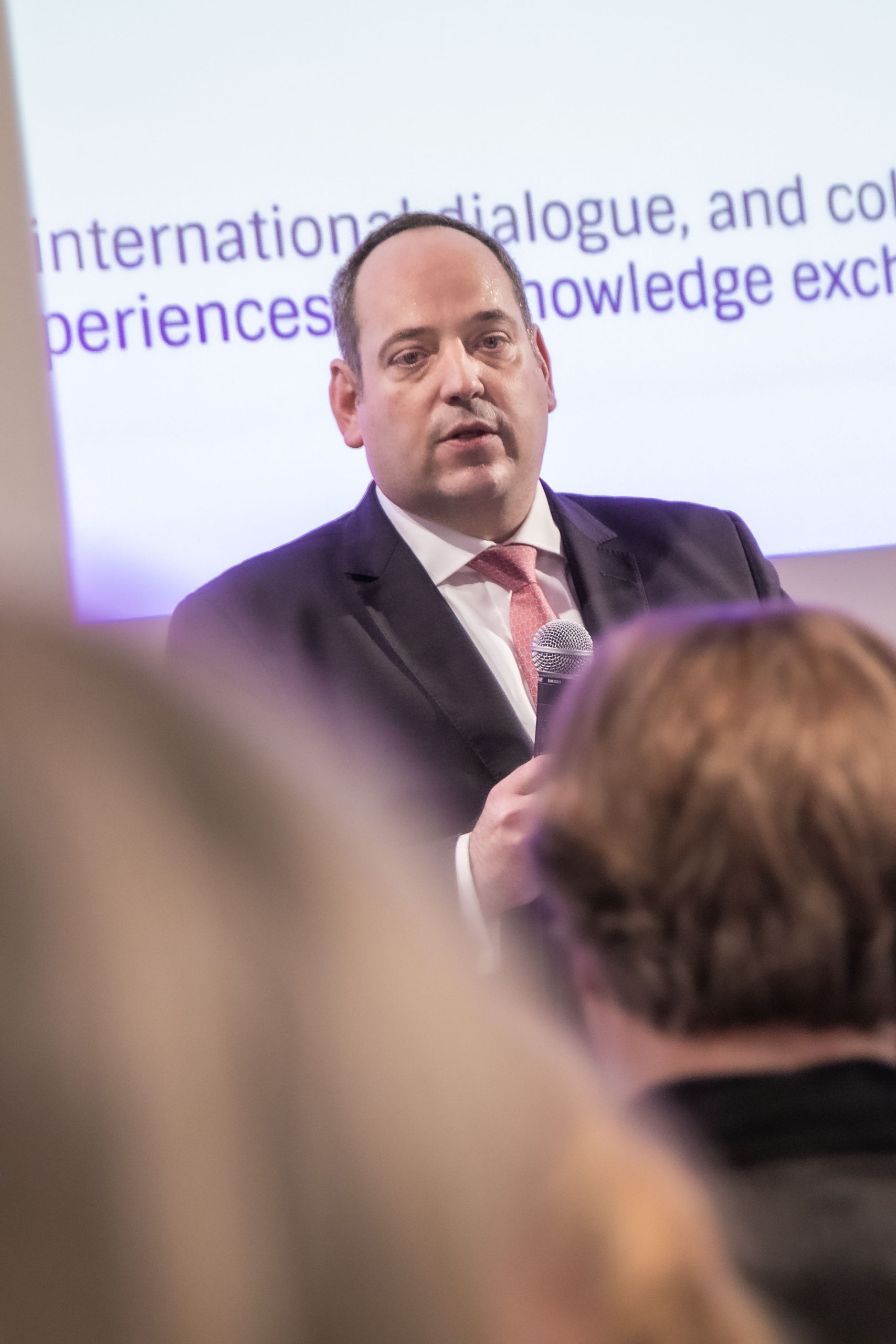
- Dimitri Kerkentzes, Secretary General of the Bureau International des Expositions (BIE)
- Prof. Dr. Eckart Würzner, Lord Mayor, City of Heidelberg; Chair, UN Forum of Mayors; Vice President, Association of German Cities (Deutscher Städtetag)
-
Welcome Remarks:
Jörg Geier, Club of Rome (Programs), ANSC (Curator & Moderator)
Dr. Hinrich Thölken, Supervisory Council, EXPO 2035; Exec. Capgemini; former Climate Ambassador
 |  |  |
More event impressions here:
View Gallery
Building the city of the future
Cities are the defining form of human life in the 21st century. More than half of the world’s population already lives in urban areas, and by 2050 this figure will rise to nearly 70 percent. Cities concentrate people, resources, innovation, and cultural expression—but also emissions, inequalities, and systemic risks. For this reason, the future of sustainability will not be decided in abstract strategies alone. It will be decided where people live, move, and interact every day: in cities.
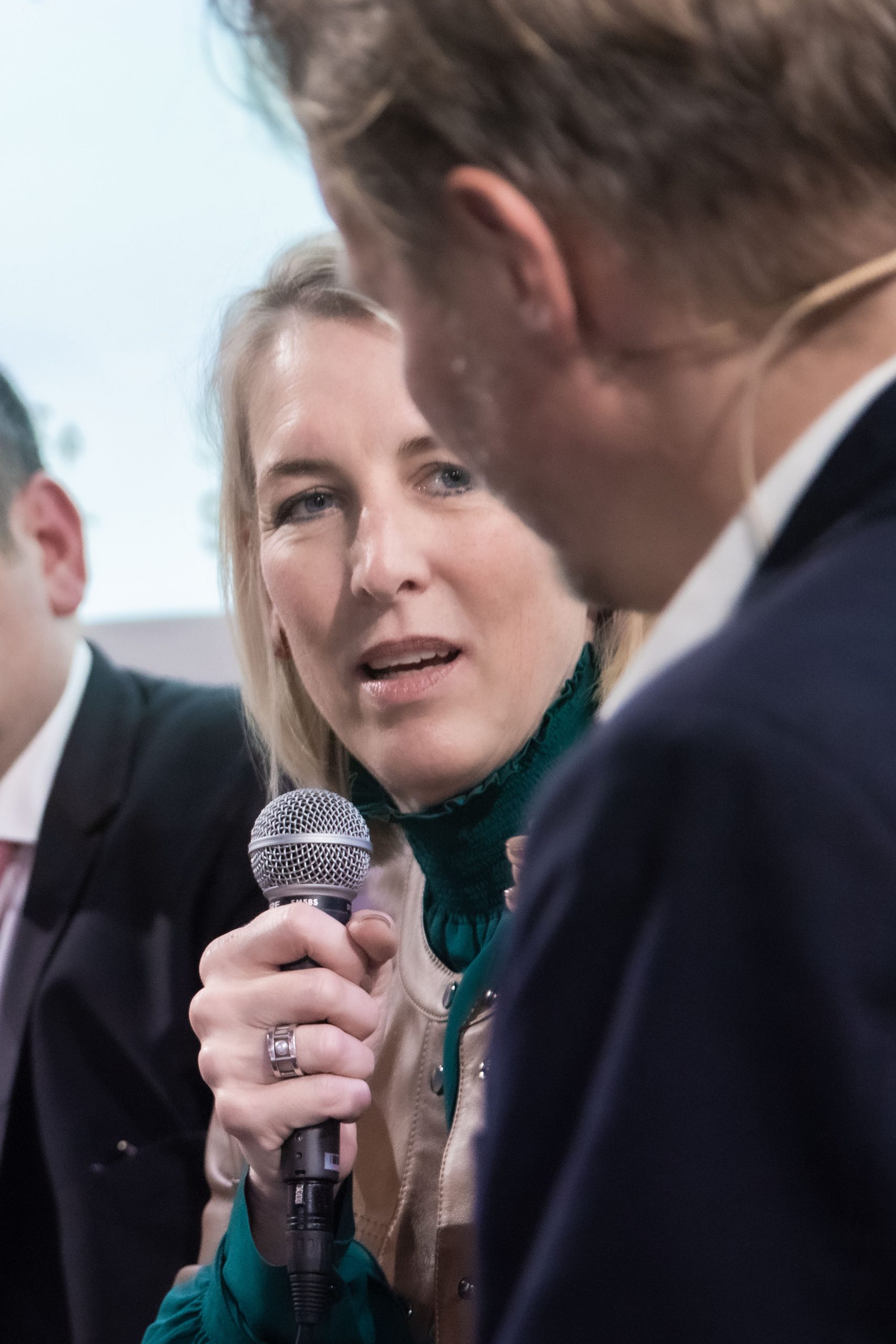
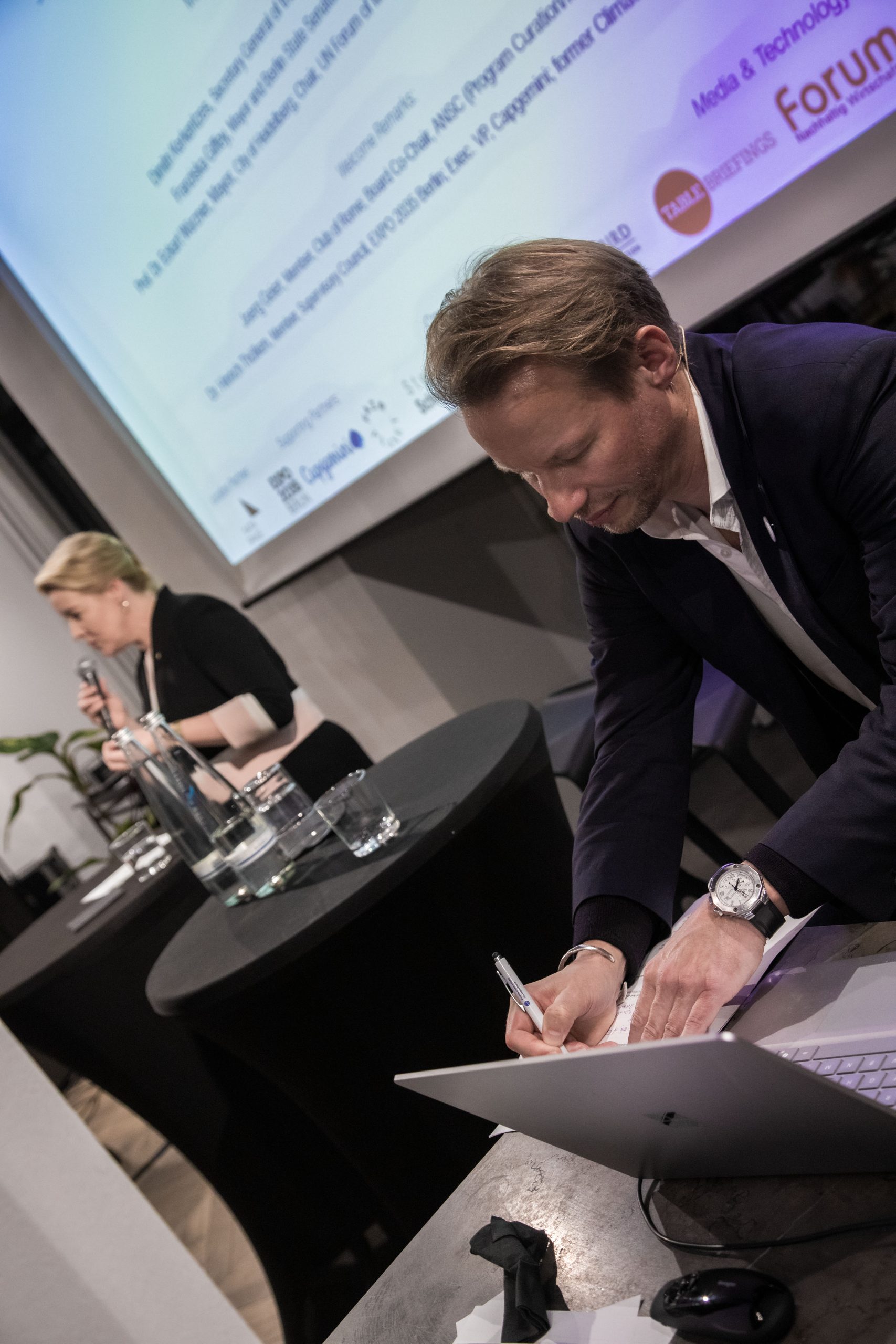
This conviction shaped the Club of Rome Salon “Building the City of the Future”, a collaboration between the Arts & Nature Social Club and the German Chapter of the Club of Rome, held in Berlin in December. The Salon brought together political leadership, international institutions, urban practitioners, artists, and civil society to explore how cities—and platforms such as World Expos—can act as catalysts for sustainable transformation.
 |  |  |
Cities as engines of transformation
Urban areas account for the majority of global energy consumption, resource use, and greenhouse gas emissions. Yet they are also places where change happens fastest. Since the adoption of Agenda 2030, cities around the world have demonstrated their capacity to translate global goals into local action—through sustainable infrastructure, inclusive planning, resilient systems, and citizen participation.
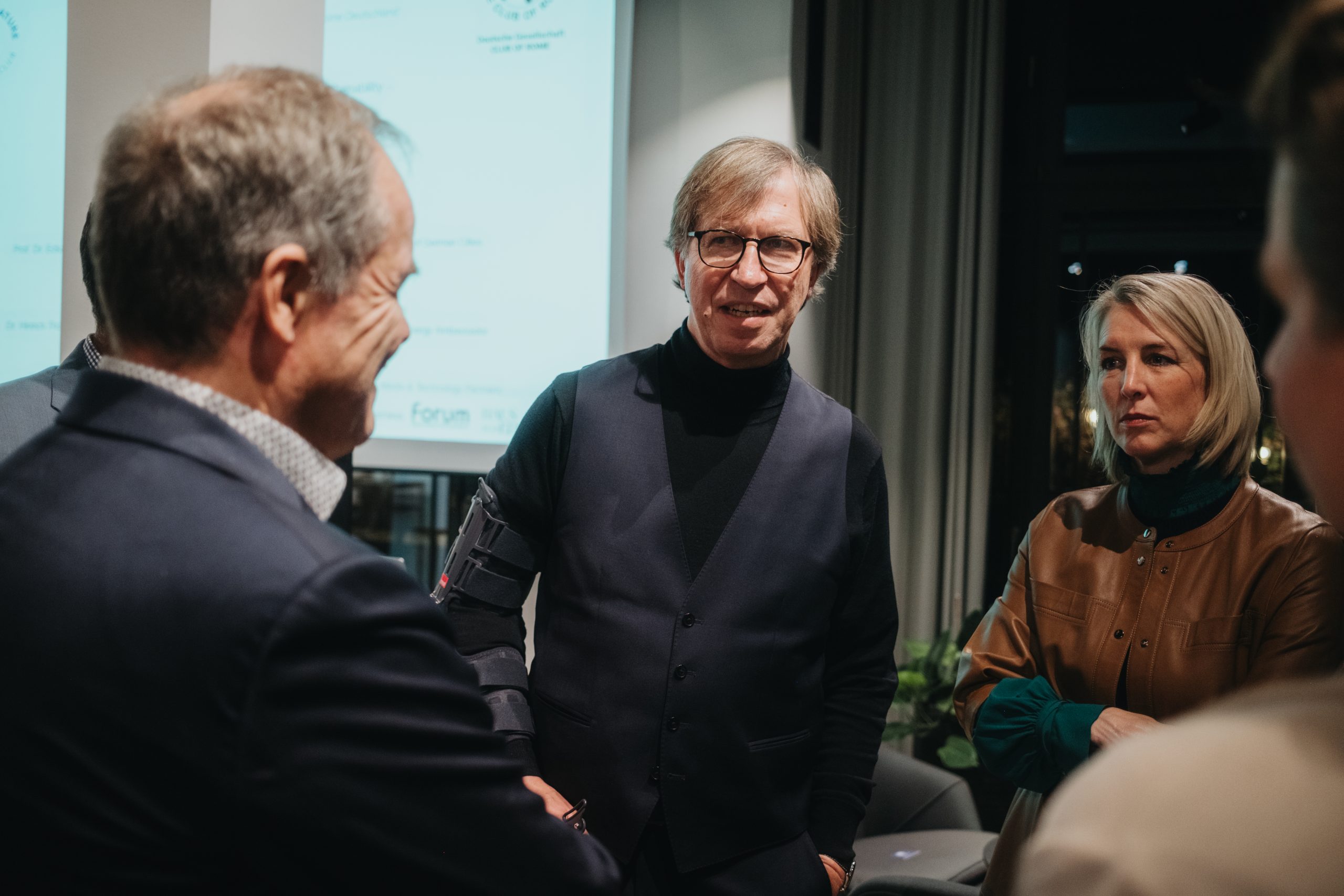
At the Salon, speakers emphasized that successful urban transformation depends on empowerment: cities must not be passive arenas of policy implementation, but active agents shaping their own futures. Sustainable cities are not built solely through technology or regulation; they emerge through dialogue, trust, and shared responsibility between public institutions, businesses, and citizens.
As highlighted by Prof. Dr. Eckart Würzner, Mayor of Heidelberg and Chair of the UN Forum of Mayors, long-term success requires participatory processes, ambitious climate targets, and strong local ownership. Heidelberg’s experience illustrates how climate neutrality, social inclusion, and economic vitality can be pursued together when citizens are involved and cities are given the mandate to lead.
 |  |  |
World Expos as platforms for collaboration and legacy
World Expos have historically served as global stages for innovation, culture, and progress. In recent decades, sustainability has become increasingly central to their mission. From Expo 2000 in Hanover—one of the first Expos explicitly aligned with sustainability principles—to the current Expo in Osaka, Expos have evolved into collaborative platforms for education, dialogue, and experimentation.
Dimitri Kerkentzes, Secretary General of the Bureau International des Expositions (BIE), described Expos as spaces where the world can “reimagine new possibilities.” Beyond showcasing ideas, they enable cooperation across borders and sectors, mobilize national and local actors, and—when designed responsibly—leave lasting urban legacies. Expos are not ends in themselves; they are instruments to accelerate transformation and to ask what kind of future we want to build together.
In this context, discussions around Expo 2035 Berlin focused on its potential as a platform rather than a spectacle: a way to connect innovation with sustainability, global goals with local realities, and visionary thinking with political responsibility. The emphasis was on long-term impact—on infrastructure, mobility, climate-neutral development, and civic participation—rather than on the event alone.
 |  |
Political responsibility and civic engagement
The political dimension of urban transformation was strongly articulated by Franziska Giffey, Mayor and Senator for Economy, Energy and Enterprise of Berlin. She underlined that sustainability must address concrete challenges—affordable housing, mobility, climate neutrality, economic innovation—while strengthening democracy, peace, and social cohesion. Cities, she argued, are places where global questions become tangible and where solutions must prove themselves in everyday life.
A recurring theme throughout the evening was the importance of bottom-up processes. Transformation succeeds when citizens are not merely consulted, but actively involved; when cities have agency; and when different stakeholders are brought together across institutional and disciplinary boundaries.
 |  |
Arts, culture, and the human dimension of cities
Discussions on mobility and urban quality of life illustrated how global ambitions translate into everyday reality. Katrin Habenschaden, Head of Sustainability, Deutsche Bahn AG and former Deputy Mayor of the City of Munich, speaking from the audience, emphasized that major infrastructure such as central stations is necessary, but not transformative on its own. The real opportunity lies in developing these nodes into integrated mobility hubs that connect modes of transport and better serve people moving through—and living in—the city.
This functional perspective was complemented by a more human-centered view. Another voice from the audience, Heskel Nathaniel, Co-Founder & CEO, Trockland Management GmbH, reminded participants that the quality of urban life ultimately depends on the quality of relationships. Beyond environmental performance and technological innovation, cities and urban projects gain lasting value when they create spaces with soul—places that foster connection, trust, and meaningful interaction between people.
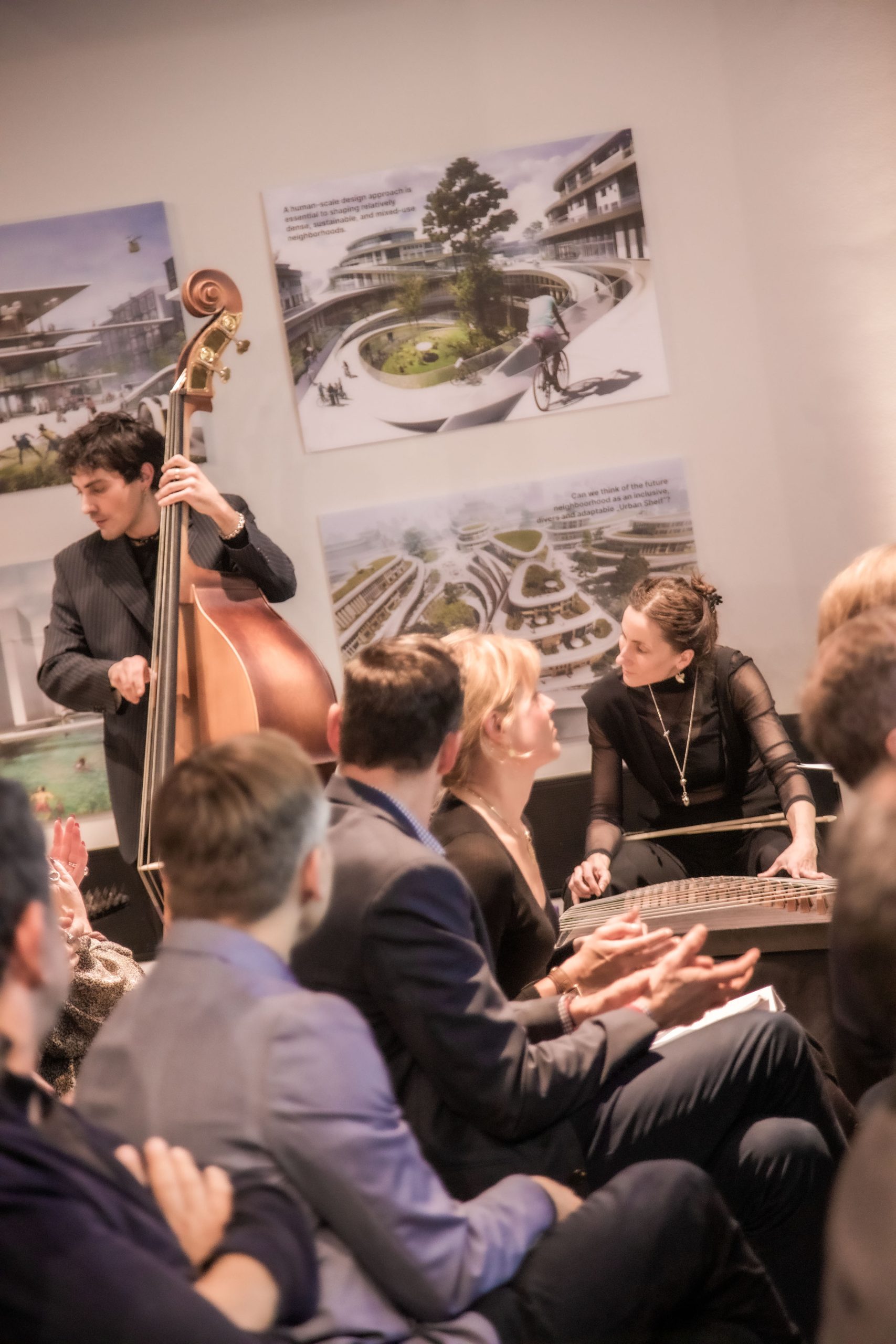
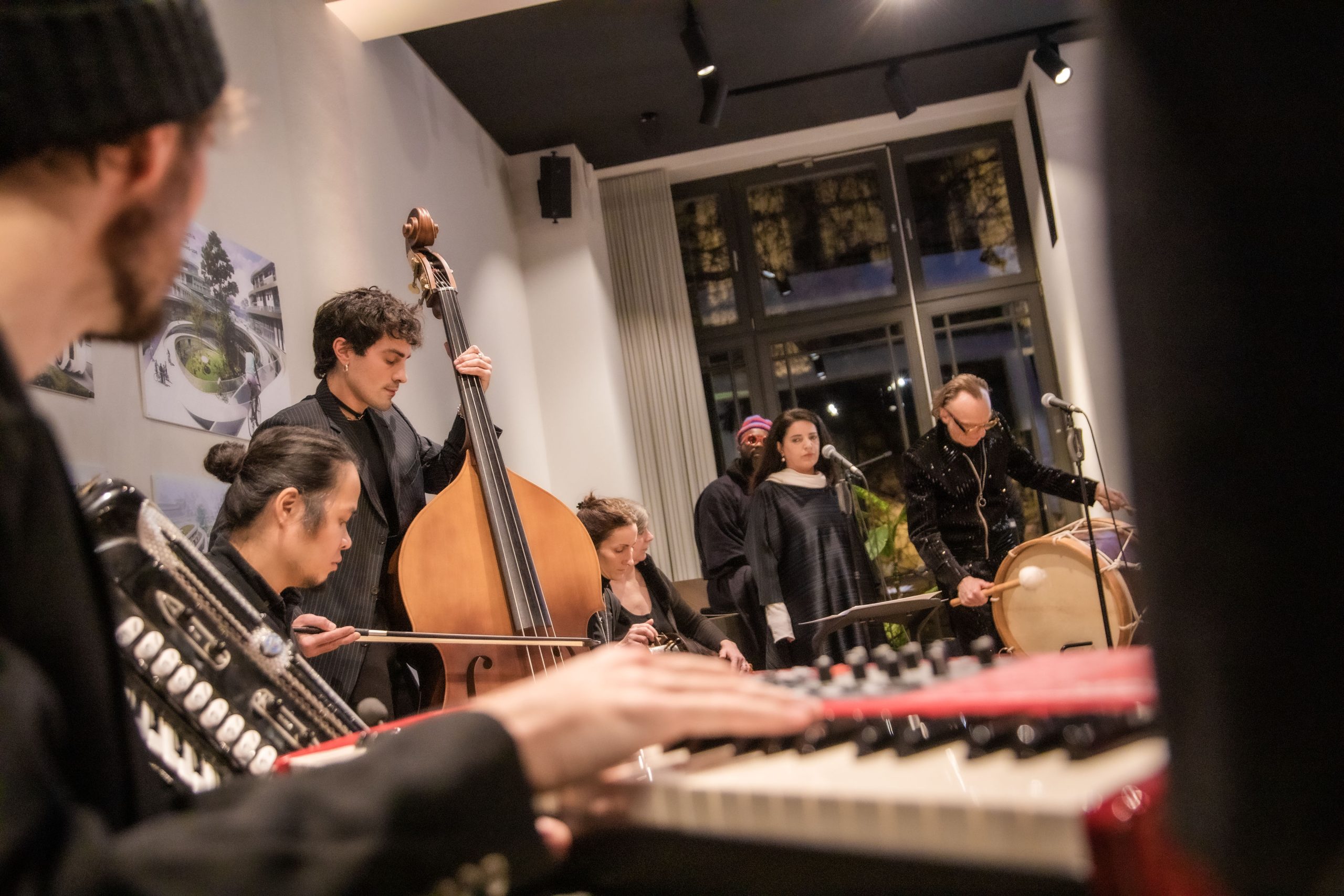
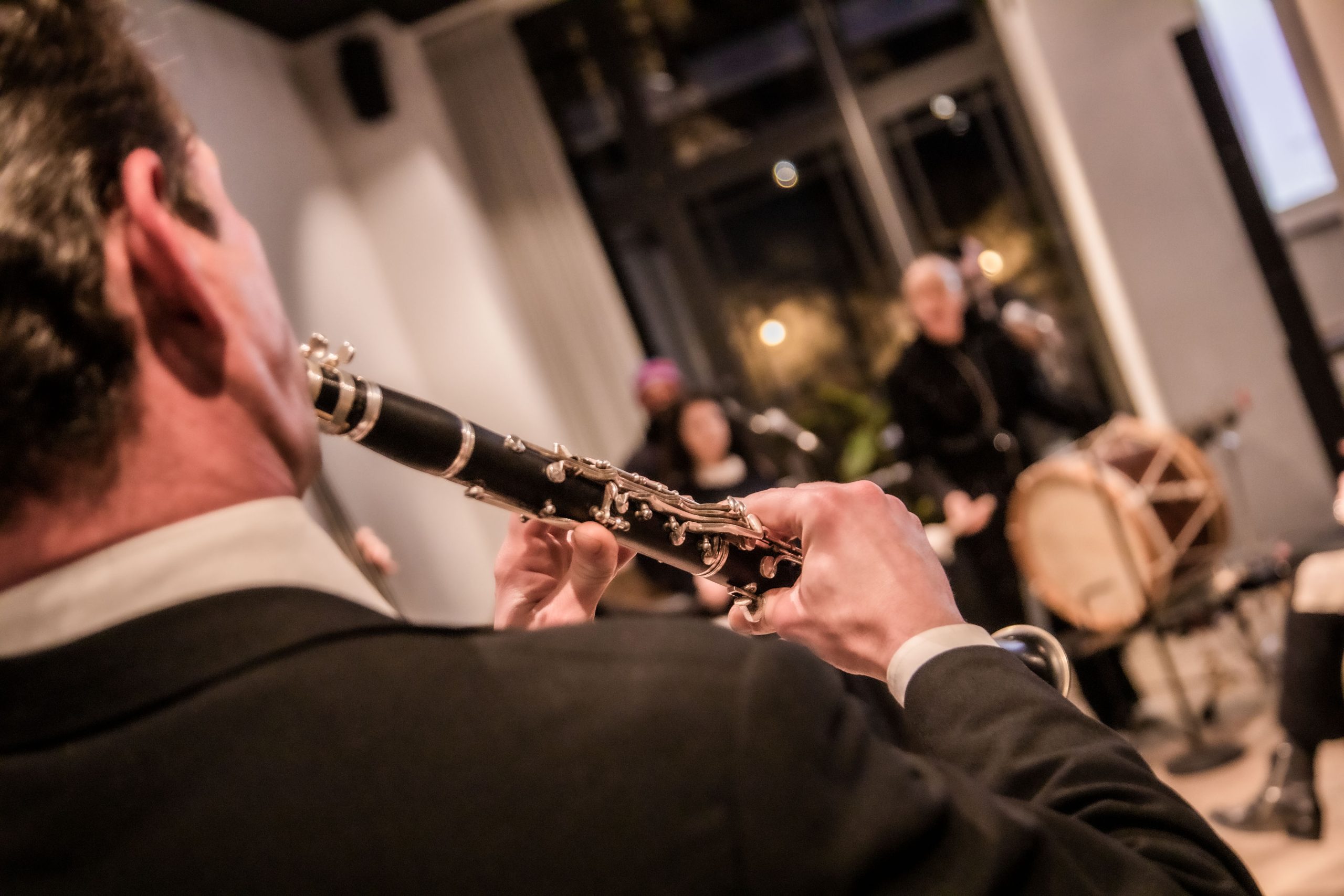
True to the ethos of the Arts & Nature Social Club, the Salon deliberately wove together intellectual debate, artistic expression, and sensory experience. World music performances curated by Metropol Music Berlin and an exhibition of future city sketches by Studio Schwitalla created spaces for reflection beyond policy language.
As emphasized by the Salon’s host and moderator, Joerg Geier, arts and culture are not optional add-ons to urban development, but essential components of the city of the future. They help create emotional connection, shared narratives, and the capacity to imagine alternatives—without which transformation cannot succeed.
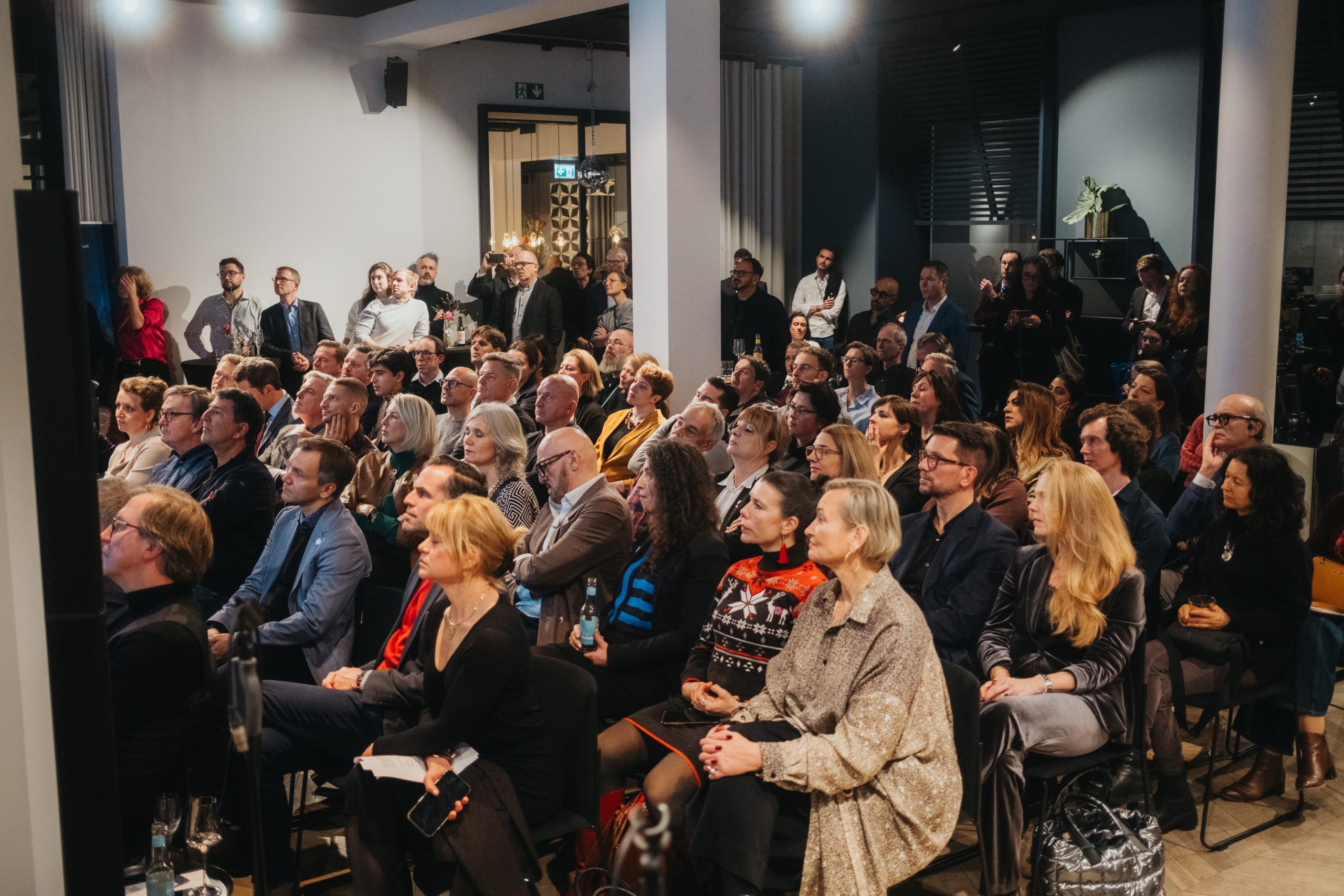
In summarizing the evening, several core insights stood out: the need for shared dreams, empowered local actors, citizen-centered mobility, and strong relationships.
 |  |
Looking ahead
The Club of Rome Salon reaffirmed a central message: building the city of the future is a political, cultural, and societal task. It requires courage, collaboration, and imagination. Cities must be empowered to lead, citizens must be partners in change, and platforms for dialogue—such as World Expos—must be designed with responsibility and legacy in mind.
The Arts & Nature Social Club will continue to create spaces where arts, nature, policy, and innovation intersect—spaces where complex challenges can be explored holistically, and where new narratives for a sustainable future can emerge.
Supporting Partners
Creative Partners
Studio Schwitalla · PDIE Group · Thunderbird Executive Education
Media & Technology Partners
Table Briefings · forum Nachhaltig Wirtschaften · Haus von Eden · Clever Elements
 |  |  |
 |  |  |
 |  |  |
 |  |  |