MEMBERS & FRIENDS: Schering Stiftung

Members & Friends
VISIT OF EXHIBITION: GUIDED TOUR
(in collaboration with Schering Stiftung)
Interactive Discussion with the Curator (in English)
Afterwards, there will be an opportunity to mingle over finger food and drinks.
with
Dr. Christina Landbrecht, Curator & Program Director, Schering Stiftung Berlin
Commentary:
Dr. J. Daniel Dahm, Geographer; Biologist; Chair of the Jury at Internorga Future Award; Chair, Supervisory Board, Aurelia Foundation
in conversation with Joerg Geier (ANSC)
7 October 2026 (Wednesday)
Schedule:
Guided Tour: 7:00 p.m.
Reception: approx. 8:00 p.m.
Location:
Schering Stiftung,
Unter den Linden 32-34, 10117 Berlin
Ticket: EUR 15 (free entrance for ANSC members and one guest)
Registration
Dr. Christina Landbrecht
Dr. J. Daniel Dahm
Jörg Geier
ABOUT THIS SALON
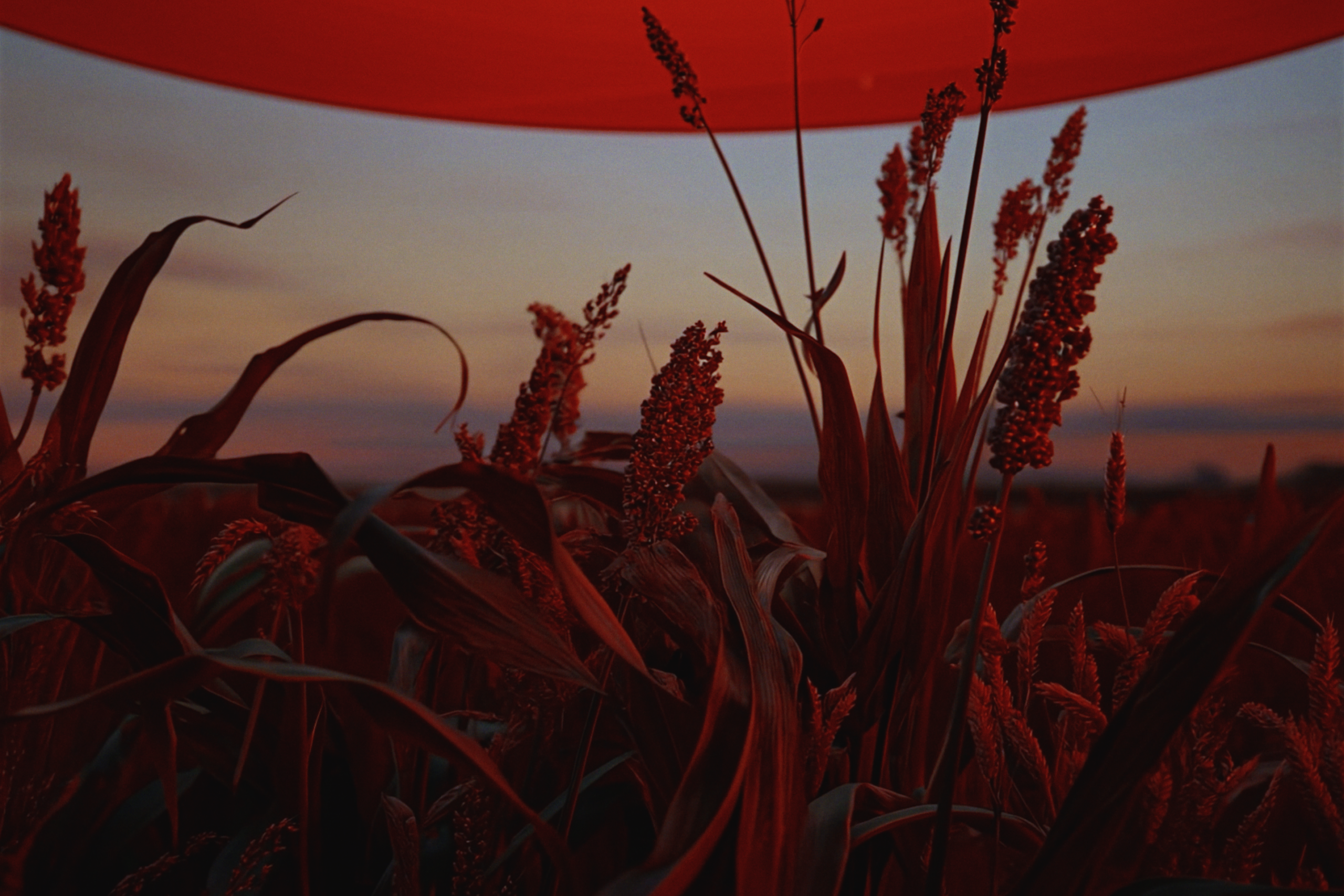
7 Summers follows an artistic experiment conducted by the artist collective Diakron (Amitai Romm, Bjarke Hvass Kure and Aslak Aamot Helm) and artist, photographer, and inventor Emil Rønn Andersen. It is set in a climate simulation facility at the Risø research campus on Roskilde Fjord which had been originally built in the mid-1950s to focus on research of the peaceful use of nuclear energy. The campus was commissioned by atomic physicist and Nobel laureate Niels Bohr among others. In 7 Summers, various plant species are subjected to possible future climate scenarios. The film invites viewers to consider how future summers might affect Europe’s plant life.
For the experiment, plant species from the surrounding landscape were selected—wheat, plants from a salt marsh habitat, and wild plants from an abandoned field. The plants’ responses to stress factors such as heat, cold, and drought were documented using a virtual production technology developed by Andersen, along with AI-supported workflows. The film shows that and how future summers will have an impact on soil, the atmosphere, light, as well as the growth and health of plants native in Europe.
Building on the film’s theme, the exhibition is expanded to include a new large-scale sculptural plant work. It presents wild and cultivated plants from Korea and China that are currently being genetically ›reprogrammed‹ and tested as potential new crop plants for European agriculture.